Liquid metal effect: free chrome shaders for React
Flowing chrome, mirror headlines and a drop of mercury that reaches for your cursor: 4 free liquid metal components for React, how they work and where the effect fits.
 Tammo ElsnerFounder of freedesignmd3 min read
Key takeaways
- 4 free liquid metal components: a background, a button, a headline and a mercury blob.
- Each one renders in WebGL2 or WebGL1 and falls back to a CSS chrome gradient without WebGL.
- Chrome works best on a quiet, mostly monochrome page where it is the only shine.
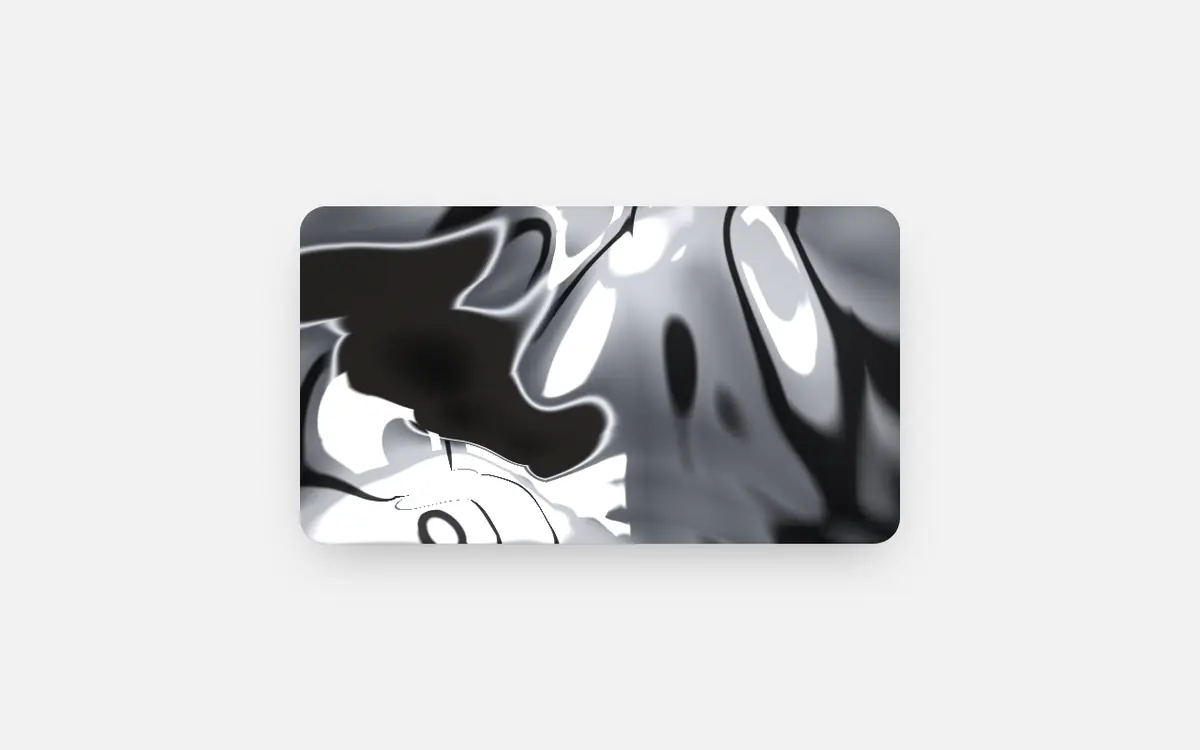
A liquid metal effect makes a surface look like polished chrome that flows: reflections slide across it, highlights sharpen at the edges and the shape moves like molten metal. On the web it is a shader, and done right it turns a plain hero or button into the most memorable thing on the page.
The liquid metal components
- Liquid Metal: Liquid metal shader for React: flowing chrome in silver, gold, titanium, black chrome or oil-slick, as a WebGL background. WebGL2 / WebGL1. Without WebGL an animated CSS chrome gradient is shown.
- Liquid Metal Button: Liquid metal button: a capsule CTA with a live WebGL chrome rim that ripples from your touch, plus a zero-JS CSS variant. WebGL2 / WebGL1. Falls back to MetalButtonCSS (gradients + sweep) without WebGL.
- Liquid Metal Text: Liquid metal text: a giant headline cast in flowing chrome with bevelled edges, lit by studio lights that follow the pointer. WebGL2 / WebGL1. Without WebGL the real text gets a CSS chrome gradient via background-clip.
- Liquid Metal Blob: Liquid metal blob: a raymarched drop of mercury that morphs, merges and reaches for your cursor, on a transparent canvas. WebGL2 / WebGL1. Without WebGL a morphing CSS chrome sphere is shown.
How a chrome shader works
Chrome has almost no color of its own. What you see is the environment reflected in a curved, mirror-like surface. A liquid metal shader fakes that in three parts:
- A moving surface. Layered noise or a signed distance field describes a surface that flows over time.
- Normals from that surface. The slope at each pixel decides which part of a reflection to show.
- A reflection ramp. Instead of a real environment, a gradient of darks and brights (silver, gold, titanium, black chrome) is mapped along the normals, with sharp specular highlights on top.
The Liquid Metal Blob goes further and raymarches a 3D drop of mercury that morphs, merges and reaches for your cursor, on a transparent canvas.
Where the effect fits
- Hero backgrounds for luxury, watches, music and creative tools: Liquid Metal comes in silver, gold, titanium, black chrome and oil-slick.
- One premium call to action: Liquid Metal Button has a live chrome rim that ripples from your touch, plus a zero-JS CSS variant.
- Giant headlines: Liquid Metal Text casts a word in bevelled chrome lit by lights that follow the pointer.
- AI and SaaS heroes that need one living object: the mercury blob.
Use one chrome element per view. Two shiny things compete; one reads premium.
A design system built around chrome
The Liquid Metal design system is the page around the effect: mirror-chrome gradients on graphite, wide Unbounded headlines and a monochrome palette that lets the work be the only color. Acid Chrome takes chrome into Y2K nightlife, and Titanium Deck into brushed hardware.
Install a liquid metal component
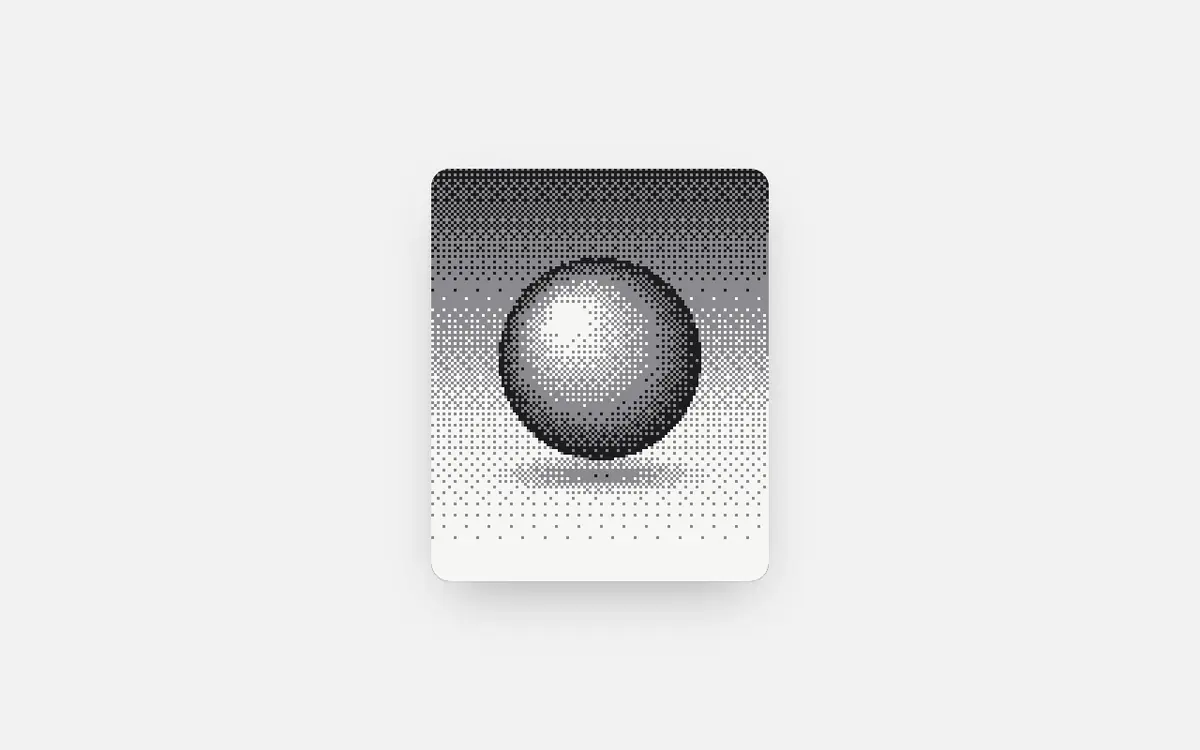
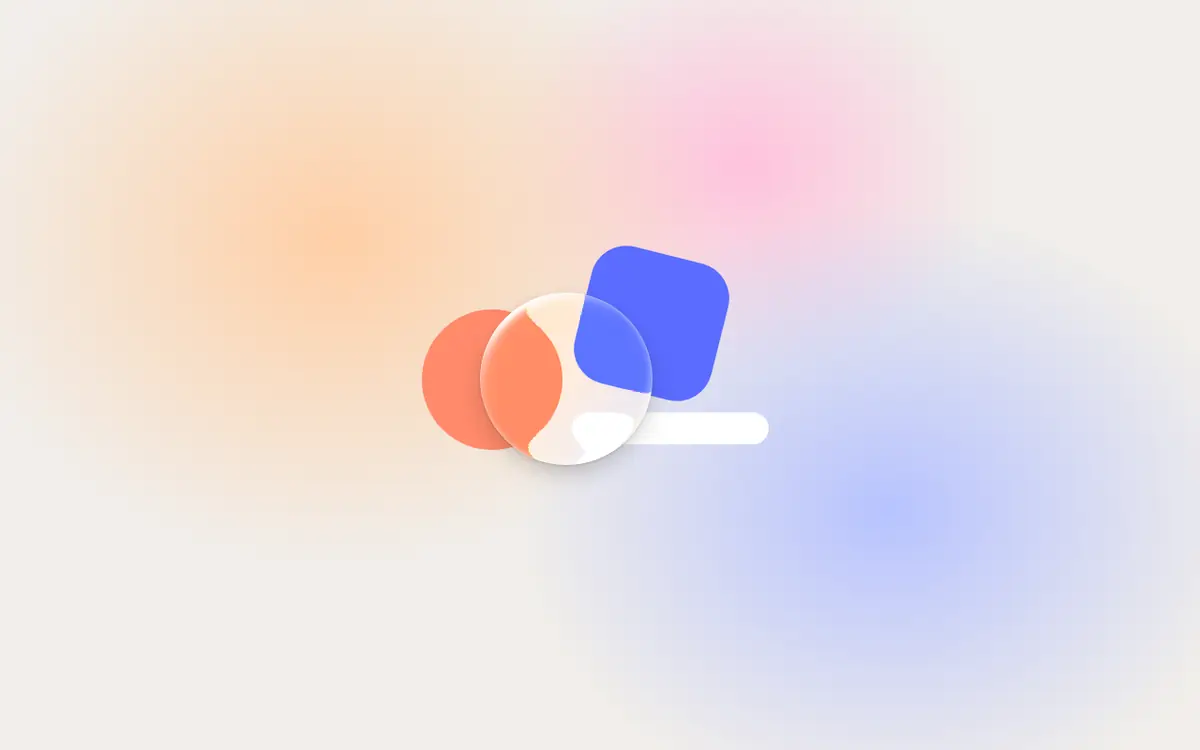
npx shadcn@latest add freedesignmd.com/r/liquid-metal-button.jsonOr copy the file from the component page. All 4 have zero dependencies besides React. For a printed, grainy look instead of chrome, see the dither effect components, and for Apple's glass material, Liquid Glass in React.
Frequently asked questions
Written by Tammo Elsner
Founder of freedesignmd, a free DESIGN.md library for AI coding agents. About the project · LinkedIn